
01.09.2026
Advertorial
Anzeige
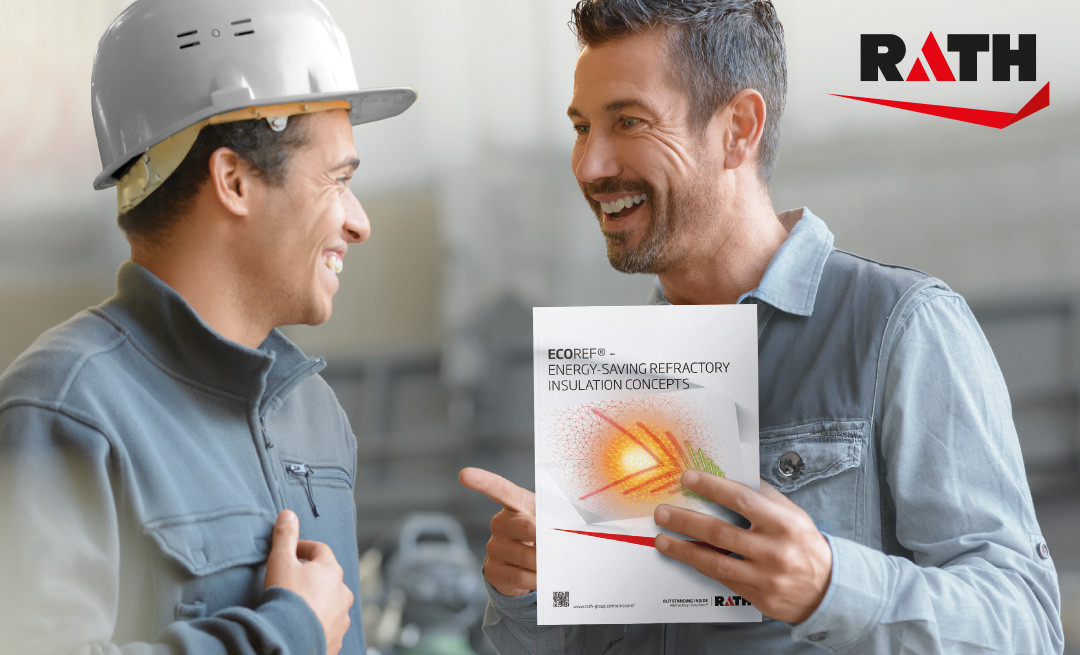
Energy-intensive high-temperature processes, extreme operating conditions and the demand for maximum efficiency make the steel industry one in which every kilowatt saved counts. Companies looking to increase the energy efficiency of their plants while simultaneously reducing energy consumption and operating costs should also consider the refractory lining of their furnaces. But how do you determine the right lining for a particular application? The ECOREF® energy-saving insulation concept – developed by engineering experts at international refractories manufacturer RATH – shows how this potential can be systematically unlocked.
When it comes to saving energy, having the right refractory lining is crucial, especially in energy-intensive high-temperature processes. It has been proven that the optimal refractory lining can contribute significantly to energy savings. RATH offers a wide range of refractory lining options as part of its comprehensive and versatile product portfolio. Whether the application calls for dense bricks, concretes, insulating bricks or components made from high-temperature wool, RATH’s application engineers develop a customized concept designed to deliver the greatest benefits to the customer.
That's precisely where RATH ECOREF® comes in: Using this analytical and conceptual approach, RATH’s engineering experts determine the best refractory lining for any given application – based on technological, environmental, and business objectives. The result of the analysis: a concrete estimate of potential savings, expressed in kilowatt-hours.
Saving energy means reducing costs
It’s simple: Saving energy not only has positive long-term effects on the environment and health, but also delivers economic benefits. An optimized refractory lining concept makes a significant contribution to reducing costs. In practice, the analysis provides a savings figure that companies can incorporate into their energy efficiency calculations. It’s a reliable figure that can be used to show the financial impact of a specific refractory lining on overall costs. Energy savings are always the result of many factors. RATH ECOREF® can make a significant contribution to improving overall efficiency.
The ECOREF® energy-saving insulation concept consists of five steps:
Step 1: Clarification of the need for change – whether a plant is to be newly built, completely or partially renewed, or refurbished.
Step 2: Definition of common objectives, including cost reduction, environmental considerations, and technological requirements.
Step 3: Analysis of plant and operating parameters, including operating mode, utilization, dimensions, operating temperature, temperature profile, process materials and atmosphere.
Step 4: Calculation of energy performance. Relevant parameters are compared, different lining concepts evaluated and the optimal solution determined.
Step 5: Presentation of the technologically optimal lining, including potential savings (in kWh), a business assessment and implementation recommendations from RATH experts.
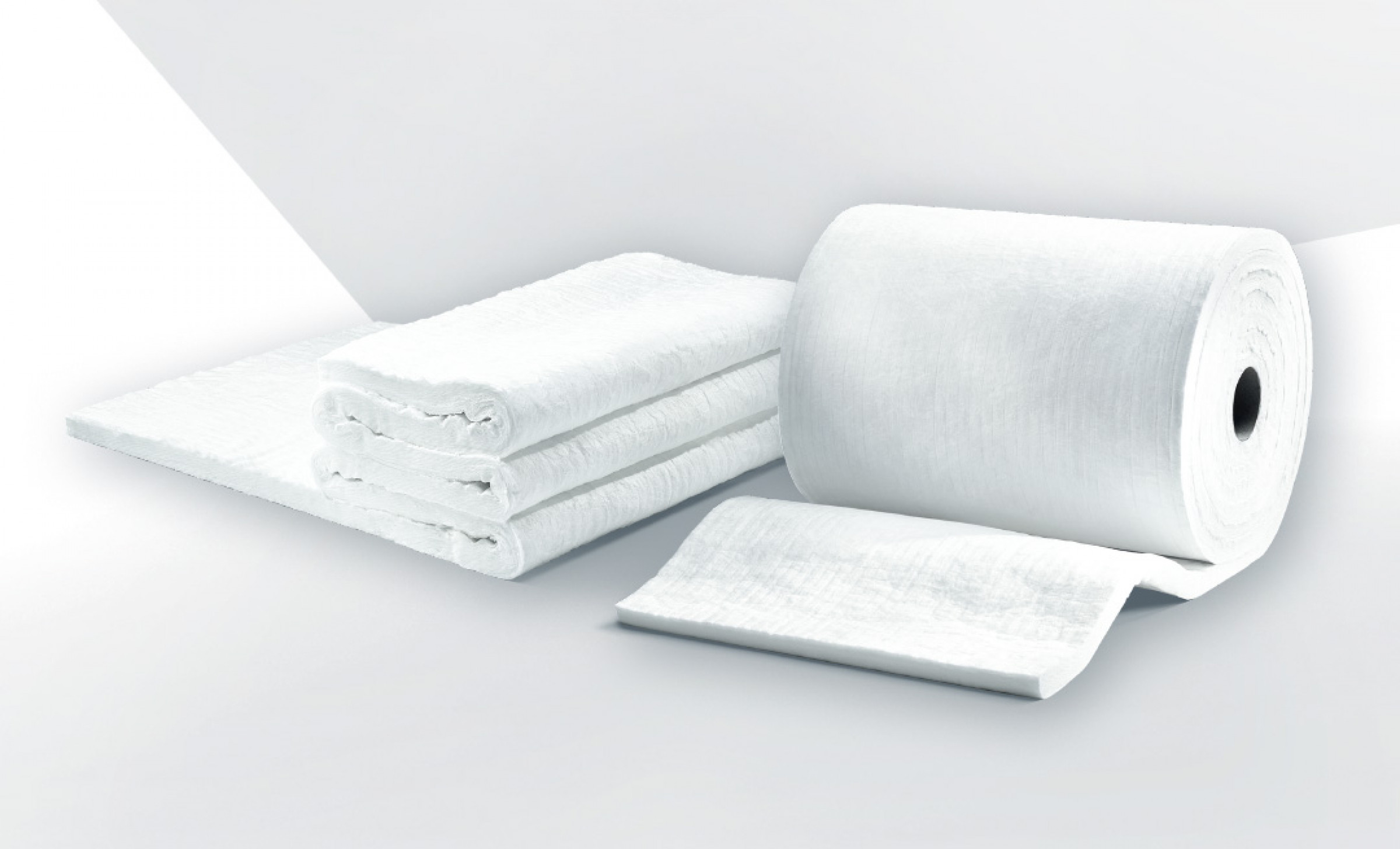
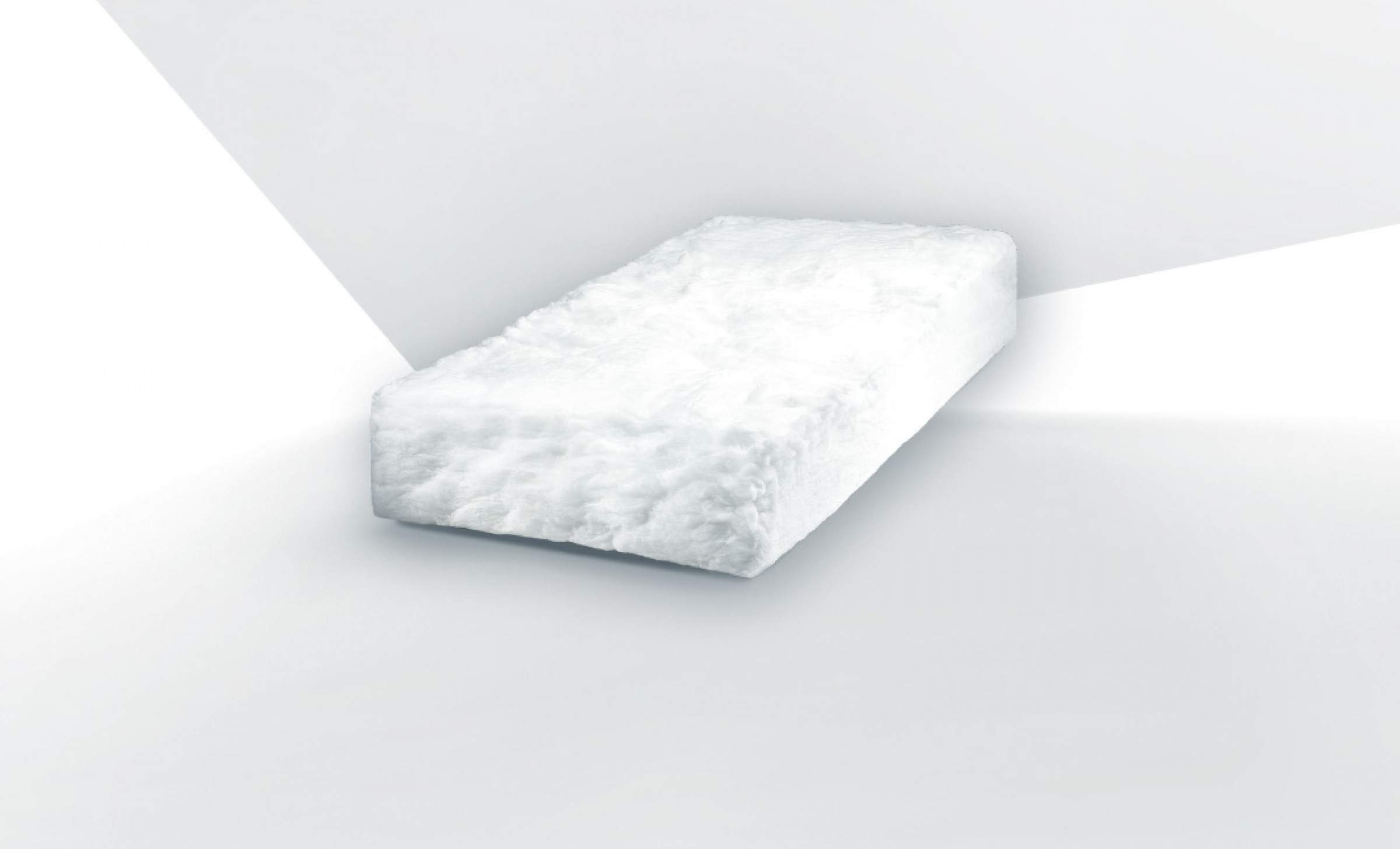
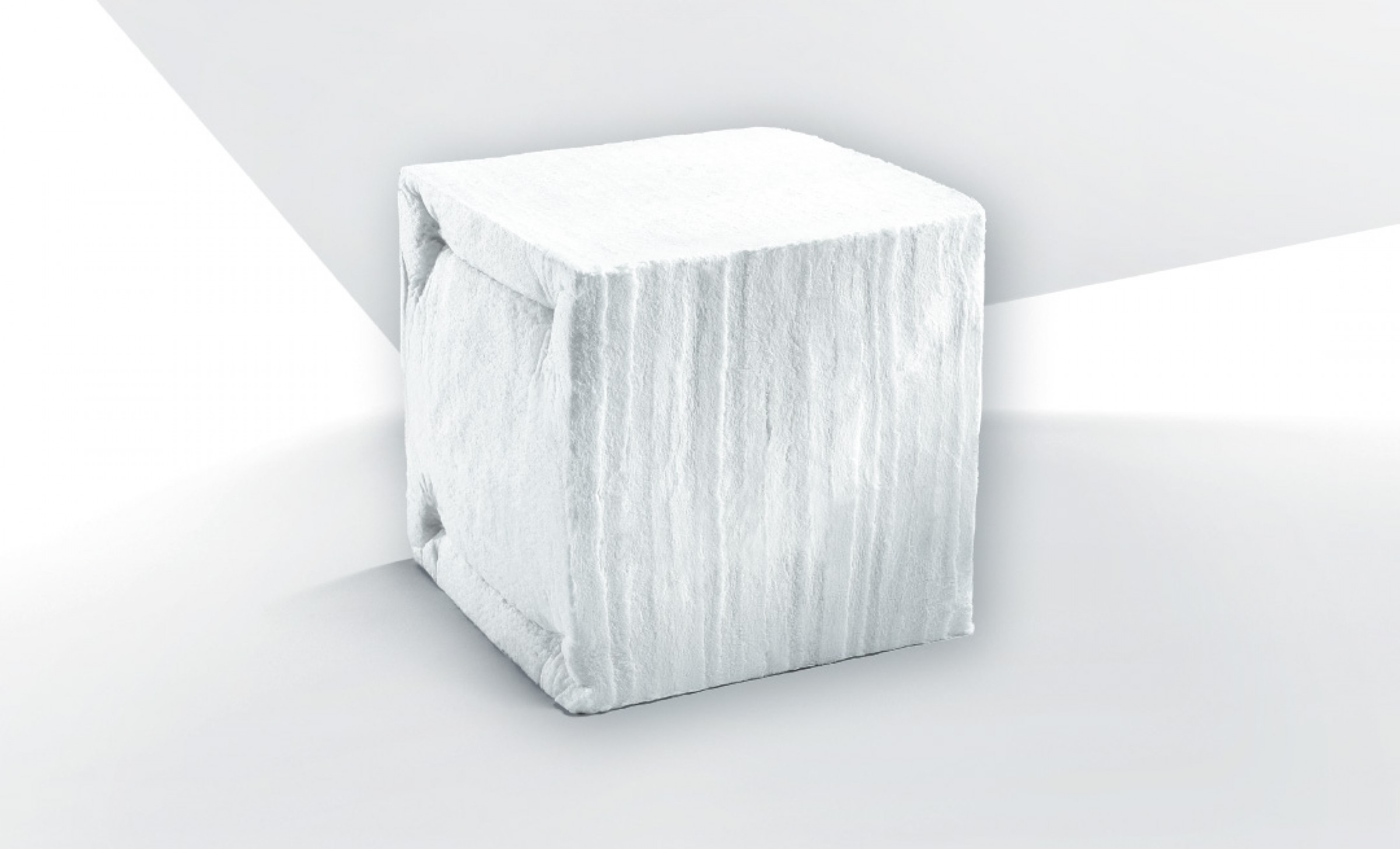
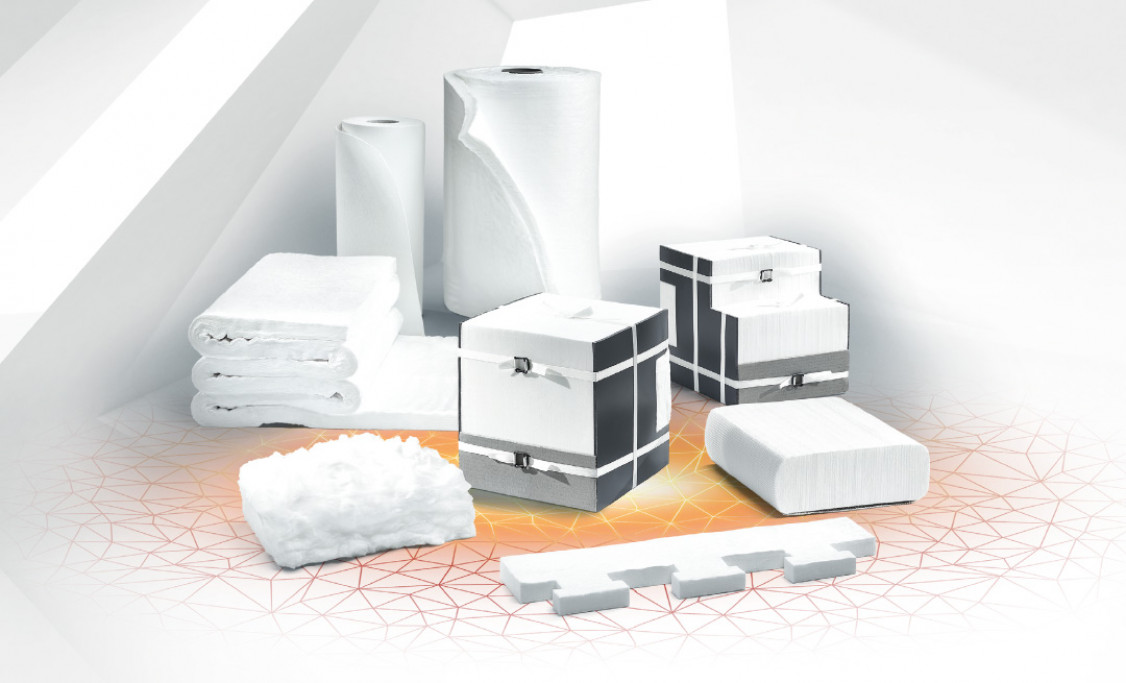
Lightweight refractory lining: ALTRA® 1500C from RATH opens up new opportunities for the steel industry
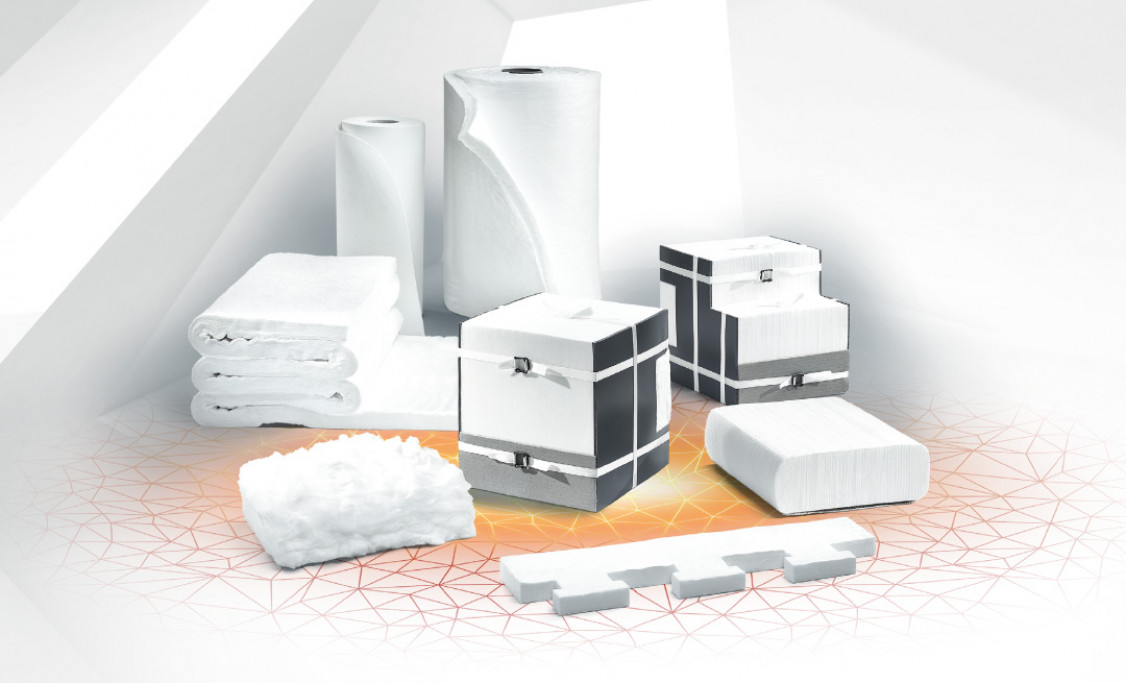
One possible outcome of the ECOREF® analysis is a recommendation to use ALTRA® 1500C from RATH – a newly developed, non-classified polycrystalline high-temperature insulation wool optimized for use at temperatures of up to 1500 °C and available in both blanket and module form.
Thanks to its carefully engineered physical properties, ALTRA® 1500C offers excellent energy efficiency and is an ideal complement to commonly used refractory products such as bricks and castables. ALTRA® 1500C is especially well suited to applications involving rapid heating and cooling cycles and is available in various densities and dimensions. In the energy-intensive high-temperature processes typical of the steel industry, lightweight linings represent a forward-looking alternative or complement to conventional linings. ALTRA® 1500C has already proven its value in the steel industry through successful use at several companies in Germany and Austria, where it has been installed in a variety of furnace types, including bogie-hearth forging furnaces, chamber forging furnaces, rolling-mill furnaces, walking-beam furnaces, and rotary-hearth furnaces.